


 Custom Aquarium Cost in Dubai
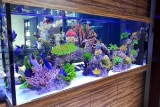 Saltwater vs Freshwater Aquarium
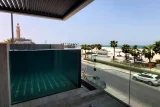 Swimming Pool Glass Panels in Dubai
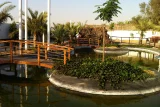 Koi Pond Maintenance in Dubai
 Adidas Liquid Billboard Dubai
 Green Wall Installation in Dubai
Aquarium, pond and water feature projects come with their own vocabulary. Knowing the main terms makes it easier to compare proposals, ask the right questions and understand what you are paying for. This glossary explains 60 terms in plain language, with links to our detailed guides where you want to go deeper.
A to C
- Acclimation: gradually adjusting new fish, corals or plants to the temperature and chemistry of their new water.
- Acrylic (PMMA): a clear, strong plastic used for aquariums and pool windows; lighter than glass and can be curved. See acrylic vs glass.
- Algae bloom: rapid algae growth, usually from excess light or nutrients.
- Ammonia: toxic waste produced by fish; converted by bacteria in a healthy system.
- Aquaponics: growing plants with nutrients from fish waste in a shared, recirculating system. See our aquaponics guide.
- Aquascaping: arranging rock, wood, plants and sand to create a designed underwater landscape. See aquascaping in Dubai.
- Auto top-off (ATO): a system that replaces evaporated water automatically to keep levels and salinity stable.
- Backwash: reversing flow through a filter to flush out trapped dirt.
- Beneficial bacteria: bacteria that convert ammonia and nitrite into less harmful nitrate.
- Biofilter: the part of a filter where beneficial bacteria live.
- Bottom drain: a drain in the floor of a pond that draws waste to the filter; standard in good koi ponds.
- Bulkhead: a watertight fitting that lets a pipe pass through a tank or pond wall.
- Calcium reactor: reef equipment that supplies calcium and alkalinity for coral growth.
- Catch basin: the hidden reservoir that collects water flowing over an infinity edge. See infinity pools with transparent walls.
- Chiller: a cooling unit that keeps water temperature down; important in UAE summers. See aquarium chillers.
- CITES: the international convention regulating trade in many corals and other species.
- Coral fragment (frag): a small piece of coral grown into a new colony; the basis of coral aquaculture.
- Curing: letting resins, coatings or concrete fully harden and stabilise before water and livestock go in.
- Cycling: establishing beneficial bacteria in a new system before adding livestock.
D to K
- Dead spot: an area with little water movement where waste collects.
- Dissolved oxygen: oxygen held in water; it falls as temperature rises.
- Dosing pump: a pump that adds precise amounts of supplements or nutrients.
- EPDM liner: a flexible rubber membrane used to waterproof ponds. See concrete vs liner ponds.
- Evaporation: water lost to the air; high in UAE heat and wind. See water saving for water features.
- Fertigation: delivering plant nutrients through irrigation water, common in living walls.
- Fish-only (FO): a marine aquarium with fish but no corals.
- Flow rate: how much water a pump moves, usually in litres per hour.
- GRC / GRP: glass-reinforced concrete or plastic, used for artificial rock and fake rock covers. See fake rock covers.
- Head height: the vertical distance a pump lifts water; higher head means lower flow.
- Hydroponics: growing plants in water with mineral nutrients, without soil.
- Kelvin (K): a measure of light colour; higher values look bluer.
- Koi herpesvirus (KHV): a serious viral disease of koi; quarantine helps prevent it. See buying koi in the UAE.
L to P
- Laminar jet: a fountain jet that produces a smooth, glass-like arc of water.
- Life support system (LSS): all the equipment that keeps water healthy: pumps, filters, skimmers, chillers and controls. See life support systems.
- Live rock: rock colonised by bacteria and organisms, used in reef tanks; dry rock is a lower-impact alternative.
- LPS / SPS: large-polyp and small-polyp stony corals; SPS generally need stronger light and more stable conditions.
- Mechanical filtration: physically removing particles from water with sponges, socks or screens.
- Nitrate: the end product of the nitrogen cycle; used by plants and removed by water changes.
- Nitrite: an intermediate, toxic product of the nitrogen cycle.
- Nitrogen cycle: the bacterial process that turns ammonia into nitrite and then nitrate.
- Overflow: a system that skims water from the surface and sends it to the sump or filter.
- Paludarium: an enclosure with both land and water areas. See terrarium and paludarium ideas.
- PAR: photosynthetically active radiation; the light plants and corals can use. See our lighting guide.
- pH: a measure of how acidic or alkaline water is.
- Photoperiod: how many hours a day lights are on.
- Plunge pool: a compact, deep pool for cooling off rather than swimming laps. See modern plunge pools.
- Protein skimmer: marine equipment that removes organic waste using fine bubbles.
Q to Z
- Quarantine: keeping new livestock separate for observation and treatment before adding it to a display.
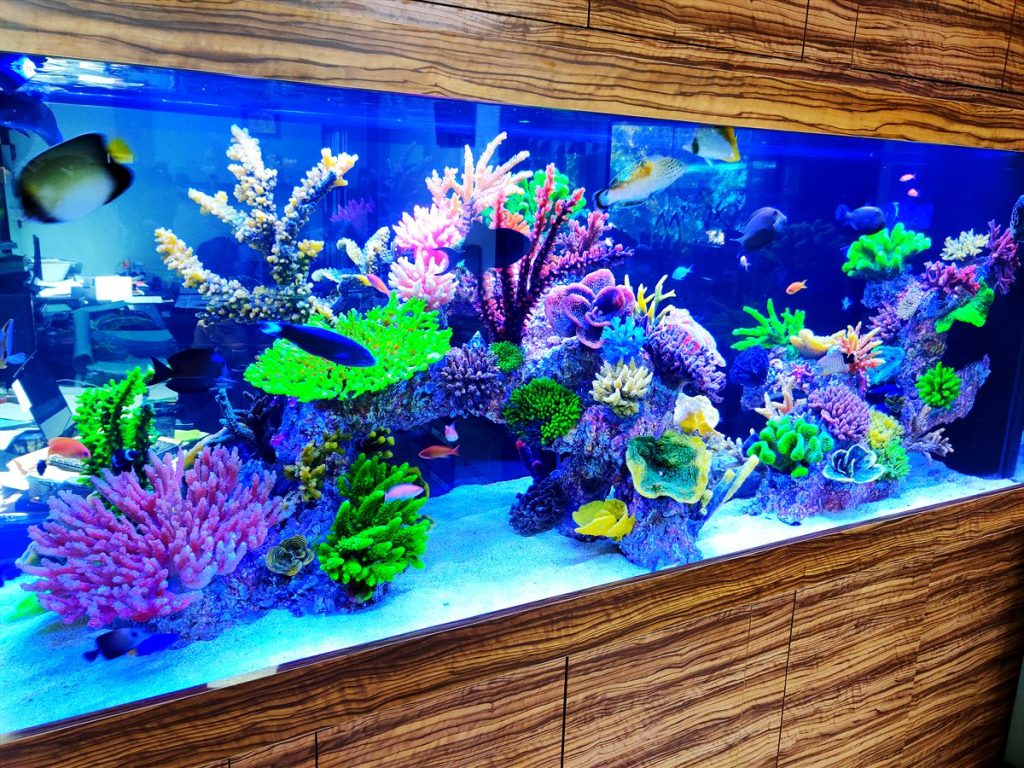
- Reef aquarium: a marine aquarium with living corals. See reef aquarium setup.
- Reflection pool: a shallow, still pool designed to mirror its surroundings. See koi pond vs fish pond vs reflection pool.
- Return pump: the pump that sends filtered water back to the display.
- RO/DI water: highly purified water made by reverse osmosis and deionisation, used for reef top-ups and mixing salt.
- Salinity: the salt concentration of marine water.
- Sheet fall / water blade: a thin, even curtain of falling water used in modern features.
- Sump: a tank below or behind an aquarium that holds filtration and equipment out of sight.
- Transparent pool wall: an acrylic or glass panel forming part of a pool wall. See pool clear panels.
- Turnover rate: how many times per hour the full water volume passes through the filtration.
- UV steriliser: a unit that uses ultraviolet light to control free-floating algae and some pathogens.
- Vanishing edge: another name for an infinity edge, where water appears to flow into the view.
- Water change: replacing part of the water to dilute waste and restore balance.
- Water wall: a vertical surface with water running down it, indoors or outdoors. See indoor water walls.
FAQ
What is the most important term to understand before buying an aquarium?
The nitrogen cycle. It explains why new systems must be established before adding fish, and why filtration matters.
What does life support system mean in a quotation?
It covers the equipment that keeps the water healthy, such as pumps, filters, skimmers and chillers. It is often the most important part of the price.
What is the difference between a sump and a filter?
A sump is the tank that houses equipment; the filter is the equipment inside it that cleans the water.
For project advice, see custom aquariums, koi ponds and water features, or request a quotation.
Further reading: Aquarium (Wikipedia)