
 Custom Aquarium Cost in Dubai
 Saltwater vs Freshwater Aquarium
 Swimming Pool Glass Panels in Dubai
 Koi Pond Maintenance in Dubai
 Adidas Liquid Billboard Dubai
 Green Wall Installation in Dubai
In this article
Terrariums and paludariums bring a living landscape indoors at a scale that suits a desk, a living room or a hotel lobby. A terrarium is a planted world under glass; a paludarium adds water, so land and aquatic life share one display. In UAE interiors, where outdoor greenery is limited for much of the year, they are a striking way to add nature. This guide explains the main types and gives ideas for homes, offices and hotels.
Terrarium, paludarium, vivarium: what is the difference?
| Type | What it contains | Typical use |
|---|---|---|
| Closed terrarium | Plants in a sealed or mostly sealed container with high humidity | Low-maintenance tabletop and shelf displays |
| Open terrarium | Plants that prefer drier air, such as succulents | Bright spaces and decorative accents |
| Paludarium | Land and water areas in one enclosure | Feature displays with plants and aquatic life |
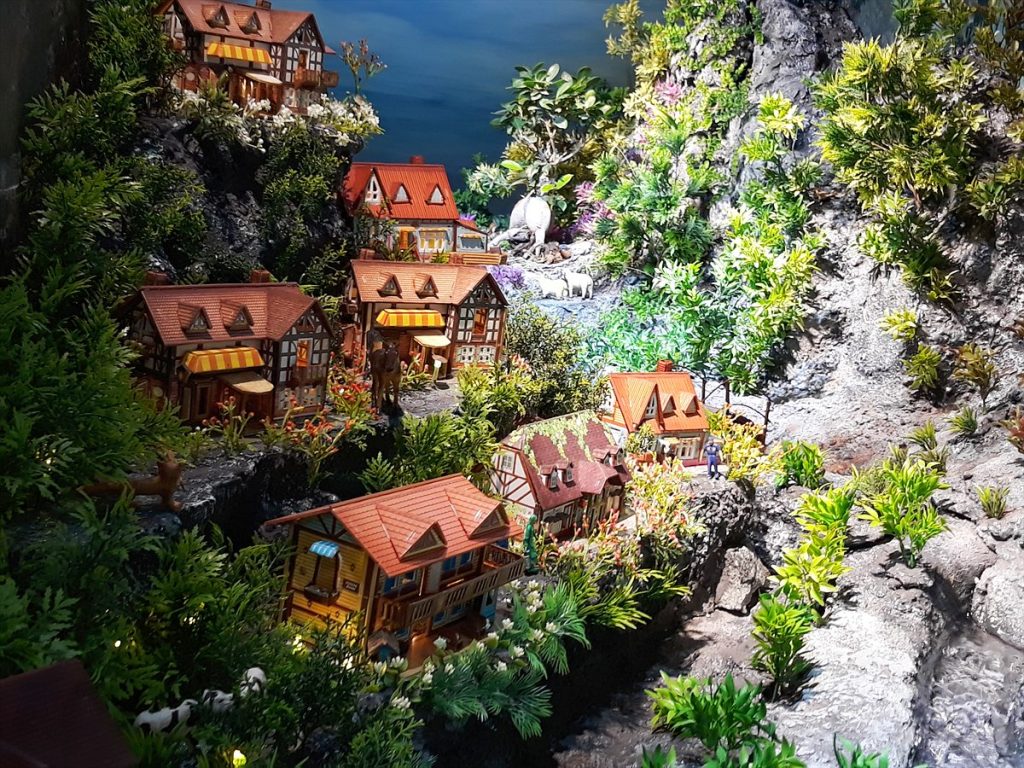
| Diorama terrarium | Miniature scenes with landscape and models | Statement pieces and conversation starters |
Ideas for homes
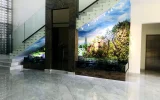
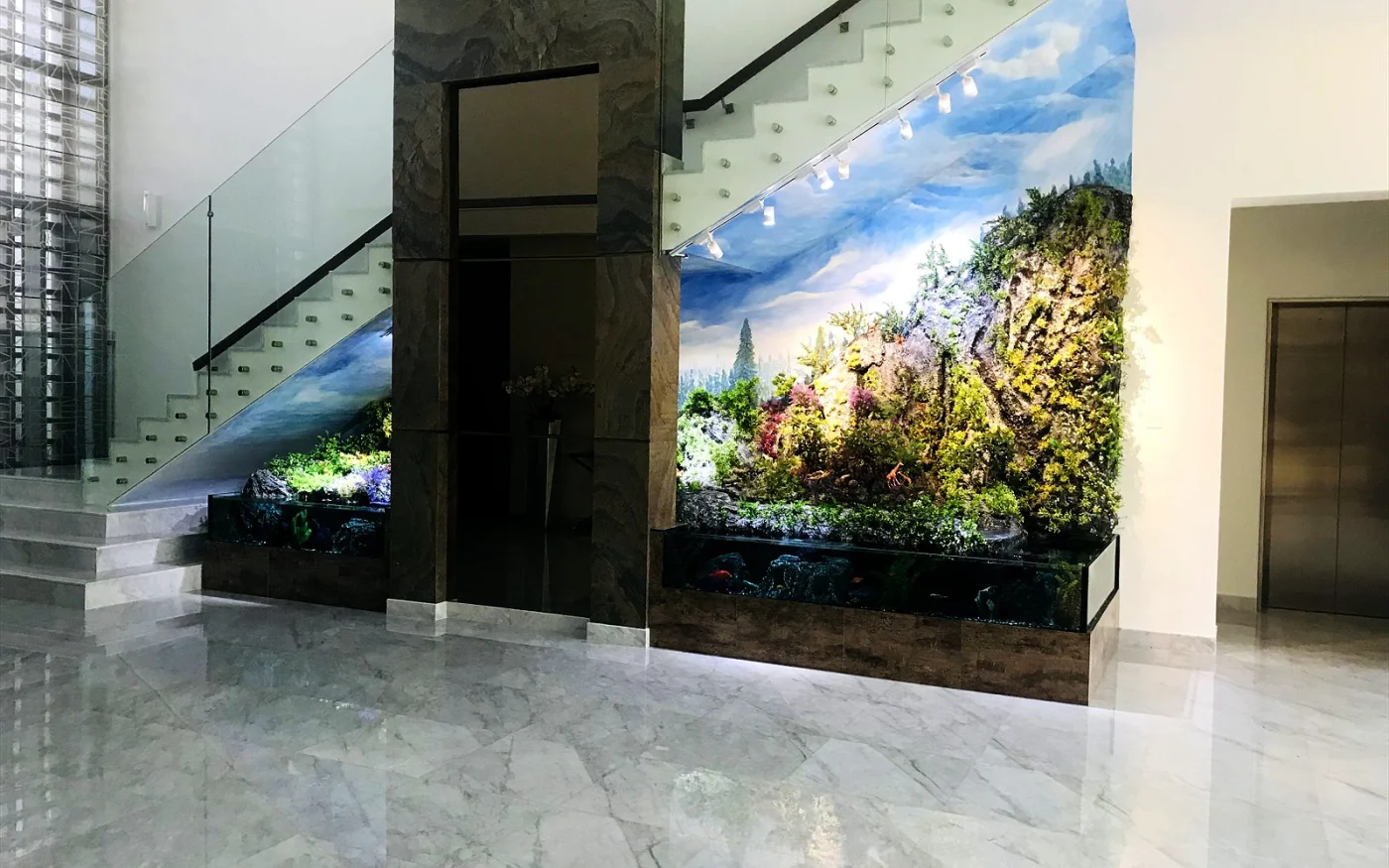
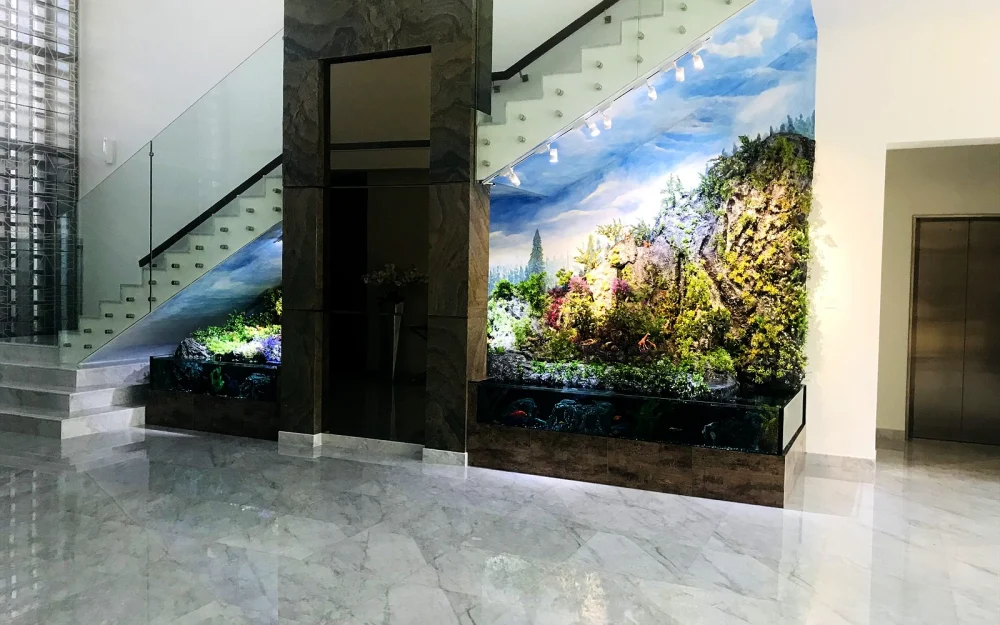
- Under-stair landscape. The space under a staircase is often wasted. A lit terrarium or paludarium turns it into a focal point.
- Living-room centrepiece. A medium paludarium with a small waterfall adds sound and movement.
- Children’s room. A closed terrarium is easy to care for and great for learning about ecosystems.
- Wall niche. Built-in terrariums fit niches flush with the wall, with lighting and misting hidden above.
Ideas for offices
- Reception feature. A large paludarium creates a calm first impression.
- Meeting rooms. Closed terrariums are low-maintenance and quiet.
- Biophilic design. Terrariums complement green walls and aquariums in a wider nature-led interior; see our guide to office aquariums.
Ideas for hotels and restaurants
- Lobby landscape. A wraparound or room-divider terrarium gives guests something to explore.
- Themed scenes. Diorama terrariums can tell a story, from desert landscapes to rainforests.
- Restaurant partition. A paludarium separates spaces while keeping sight lines open.
Making it work long-term
- Lighting. Indoor spaces rarely have enough light. Purpose-made LED lighting keeps plants healthy; see our lighting guide.
- Humidity and ventilation. Closed systems need some air exchange to prevent mould; paludariums often use fans and misting.
- Water quality. In a paludarium, the water section needs filtration just like an aquarium.
- Plant choice. Mosses, ferns, bromeliads, small orchids and tropical foliage suit humid systems; succulents suit open, dry ones.
- Air conditioning. Keep displays away from cold drafts and direct sun, both common in UAE interiors.
- Maintenance. Pruning, cleaning the glass and checking misting and filters keep the display looking its best.
FAQ
Are terrariums hard to maintain?
Closed terrariums are among the easiest living displays. Paludariums need more care because they include water and filtration.
Can a paludarium have fish?
Yes. The water section can hold suitable small fish or invertebrates, with filtration sized for them.
Do terrariums need sunlight?
They need light, but not direct sun, which can overheat them. LED lighting gives steady, controllable light.
Can you build a custom-size terrarium?
Yes. Custom terrariums and paludariums are designed to fit the space, from small niches to large room features.
For the service overview, see custom terrarium design in Dubai, or commission a terrarium.
Further reading: Paludarium (Wikipedia)
If a paludarium’s aquatic section has you wondering about larger displays, comparing a saltwater aquarium with a freshwater setup can help you decide what suits your space.
What Is a Paludarium? A Simple Definition
A paludarium is an enclosure that combines a land area and a water area in a single display. The name comes from the Latin word palus, meaning marsh or swamp. In practice, that means a planted landscape with rocks, wood and moss on one side and a pool, stream or small waterfall on the other.
People often search for “a terrarium with water”, and a paludarium is exactly that. It is different from a standard aquarium, where most of the space is underwater, and from a closed terrarium, which has no standing water at all. Many paludariums sit somewhere in between, so the proportion of land to water is a design choice rather than a fixed rule.
Paludarium vs Aquarium vs Terrarium
- Aquarium: mostly or fully underwater. The focus is on fish, invertebrates and aquatic plants.
- Terrarium: a planted display with no open water. Humidity is the main thing to manage.
- Paludarium: both zones together. It needs the filtration of an aquarium and the humidity control of a terrarium.
- Riparium: a related style where plants grow with their roots in or at the edge of the water, while most of the display stays above the surface.
If you want the most low-effort option, choose a terrarium. If you want movement, sound and a more dynamic feature, a paludarium is the better fit, as long as you accept the extra upkeep.
Planning a Paludarium: Key Design Choices
- Decide the land-to-water ratio. A larger water zone suits aquatic life; a larger land zone suits plants and a lush look.
- Choose the tank shape. Taller tanks suit waterfalls and layered backgrounds. Wider tanks suit streams and pools. A tank with the water section at the bottom is a common layout.
- Plan the background. Textured backgrounds, cork bark or sculpted foam give plants something to grip and hide equipment.
- Hide the equipment. Filters, pumps, heaters and misting lines are easier to conceal at the design stage than to retrofit later.
- Use safe materials. Choose aquarium-safe sealants and rocks that will not alter the water chemistry, and rinse everything before use.
- Allow for access. A removable lid or front door makes pruning, feeding and cleaning much simpler.